Stop Being NICE
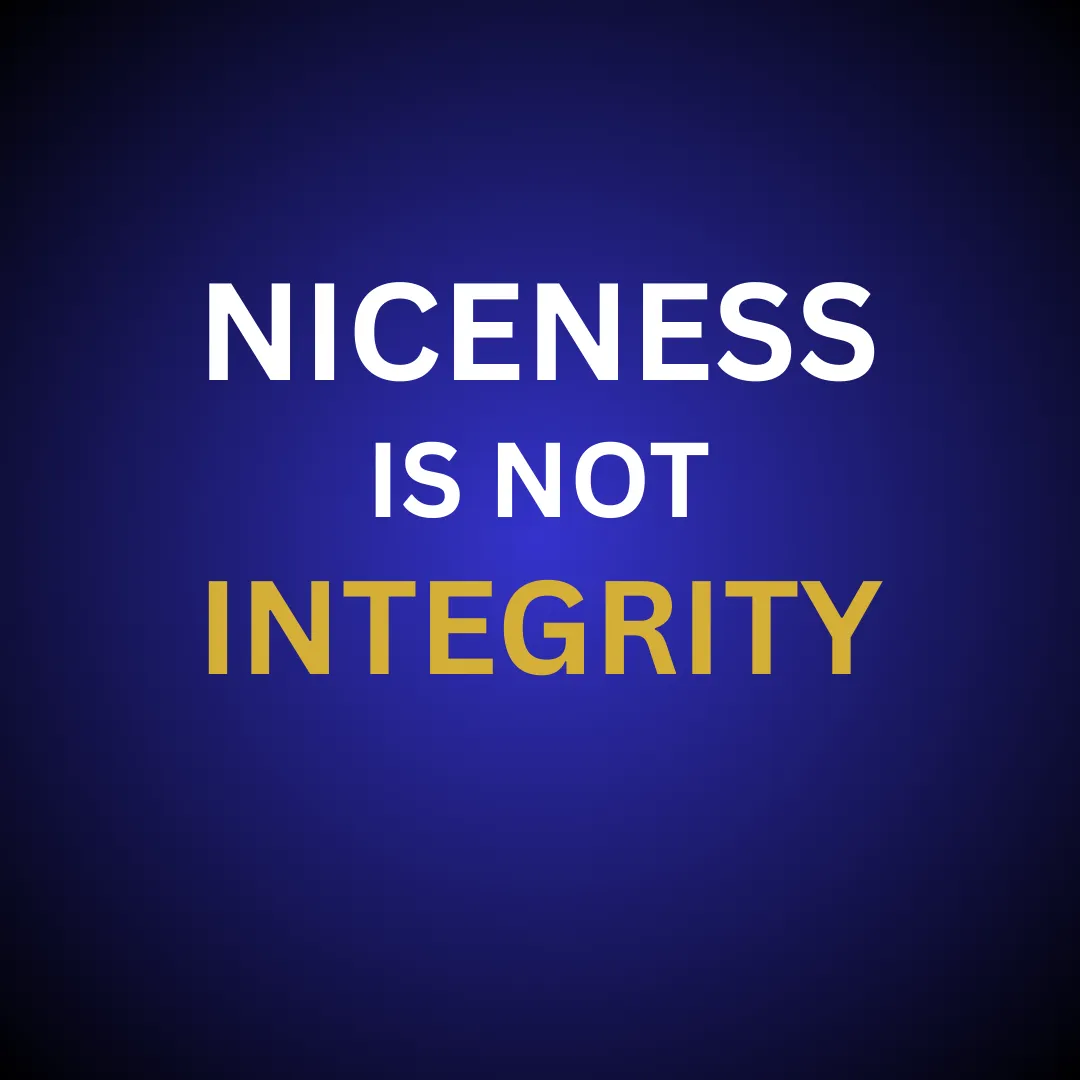
Niceness Is Not Kindness
Jennifer is not talking about kindness. Kindness comes from care.
Niceness often sounds like:
I do not want to upset anyone
It is not a big deal
I will just go along with it
I do not want to seem difficult
I do not want to rock the boat
Niceness is often approval-based. It is a strategy to manage perception and keep the connection intact.
The Hidden Cost: You Start Editing Yourself Out
Niceness can quietly cost you:
Saying yes when you mean no
Softening your opinions before you speak
Over explaining so you will not be misunderstood
Absorbing discomfort so others do not have to feel it
Over time, you can become easy to work with but harder to know.
You keep the peace but lose your edge.
And that tension often turns into resentment, not because you are unkind, but because you have been disappearing in small, socially acceptable ways.
Niceness Is Often Conditioning
For many women, niceness is not a personality trait. It is conditioning.
You may have learned early that:
Expressing anger created distance
Disagreement led to tension
Your needs were inconvenient
Approval was conditional
So your nervous system adapted.
Harmony meant safety.
The Nervous System Angle: The Fawn Response
From a nervous system perspective, what we often call people pleasing aligns with what stress researchers describe as the fawn response.
When your system associates disagreement or boundary setting with threat, it learns to preserve safety through appeasement.
This is not manipulation. It is regulation.
And once the pattern is learned, it can persist even in environments where you are no longer at risk.
Why Niceness Can Limit Influence
Social and organizational psychology research often finds that agreeable people are perceived as warm, but not always perceived as influential.
Leadership research on assertiveness suggests that clear opinions and boundaries increase credibility and effectiveness, even without being loud or dominant.
Self determination theory also points to three needs that support well being:
Autonomy
Competence
Connection
When niceness overrides autonomy, burnout, resentment, and emotional fatigue often follow.
The Reframe: Integrity
You do not need to stop being kind.
You do not need to become blunt, harsh, or confrontational.
The invitation is integrity.
Integrity says:
I can be honest and respectful at the same time
I can care about others without abandoning myself
My needs do not make me difficult, they make me human
Niceness avoids discomfort.
Integrity tolerates it.
Niceness manages perception.
Integrity stands in truth.
When you shift from niceness to integrity, your voice steadies, your boundaries clarify, and your energy returns.
Reflection Prompts
Where have you been choosing niceness over honesty
Where do you soften your truth to keep the peace
What conversations do you keep rehearsing but never have
What might change if you trusted that clarity would not cost you connection
If this resonated, Jennifer created a gentle reflection tool called the Invisible Rule Book Reset.
It helps you uncover the quiet rules you have been living by and decide which ones you are ready to release.
No pressure. Just an invitation.
FAQ
What is the difference between niceness and kindness
Kindness comes from care. Niceness often comes from approval and can be used to manage perception or avoid conflict.
What is the difference between niceness and integrity
Niceness avoids discomfort to preserve harmony. Integrity tolerates discomfort so you can be honest and respectful without abandoning yourself.
Is people pleasing a trauma response
People pleasing can align with the fawn response, a stress response where the nervous system preserves safety through appeasement when disagreement feels risky.
How do I stop being so nice
Start by noticing where niceness is a reflex instead of a choice. Practice small moments of clear honesty, respectful boundaries, and direct communication.